
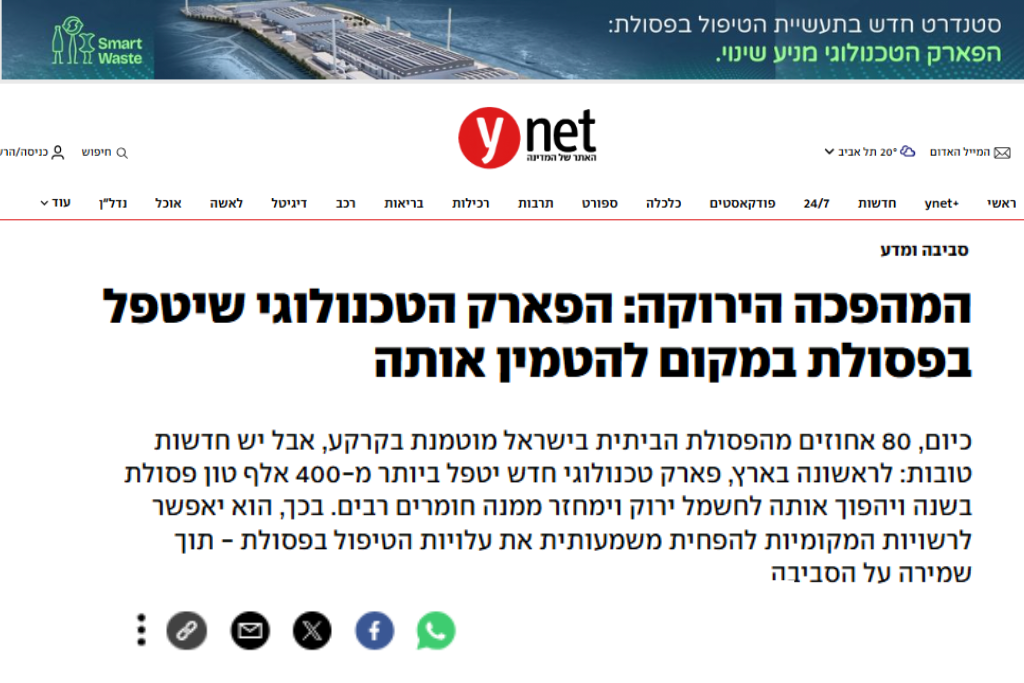
Currently, 80% of household waste in Israel is landfilled, but there’s good news: for the first time in the country, a new technological park will process over 400,000 tons of waste per year, converting it into green electricity and recycling many of its materials. This will enable local authorities to significantly reduce waste management costs while protecting the environment.
Where does the waste we throw away go? Of the more than 6 million tons of waste produced in Israel each year, 80% is landfilled. Landfilling not only consumes valuable land, it also pollutes groundwater, emits harmful greenhouse gases into the atmosphere, and causes numerous environmental damages. Landfill sites are disappearing, and disposal costs are rising sharply, forcing municipalities to spend hundreds of millions of shekels annually.
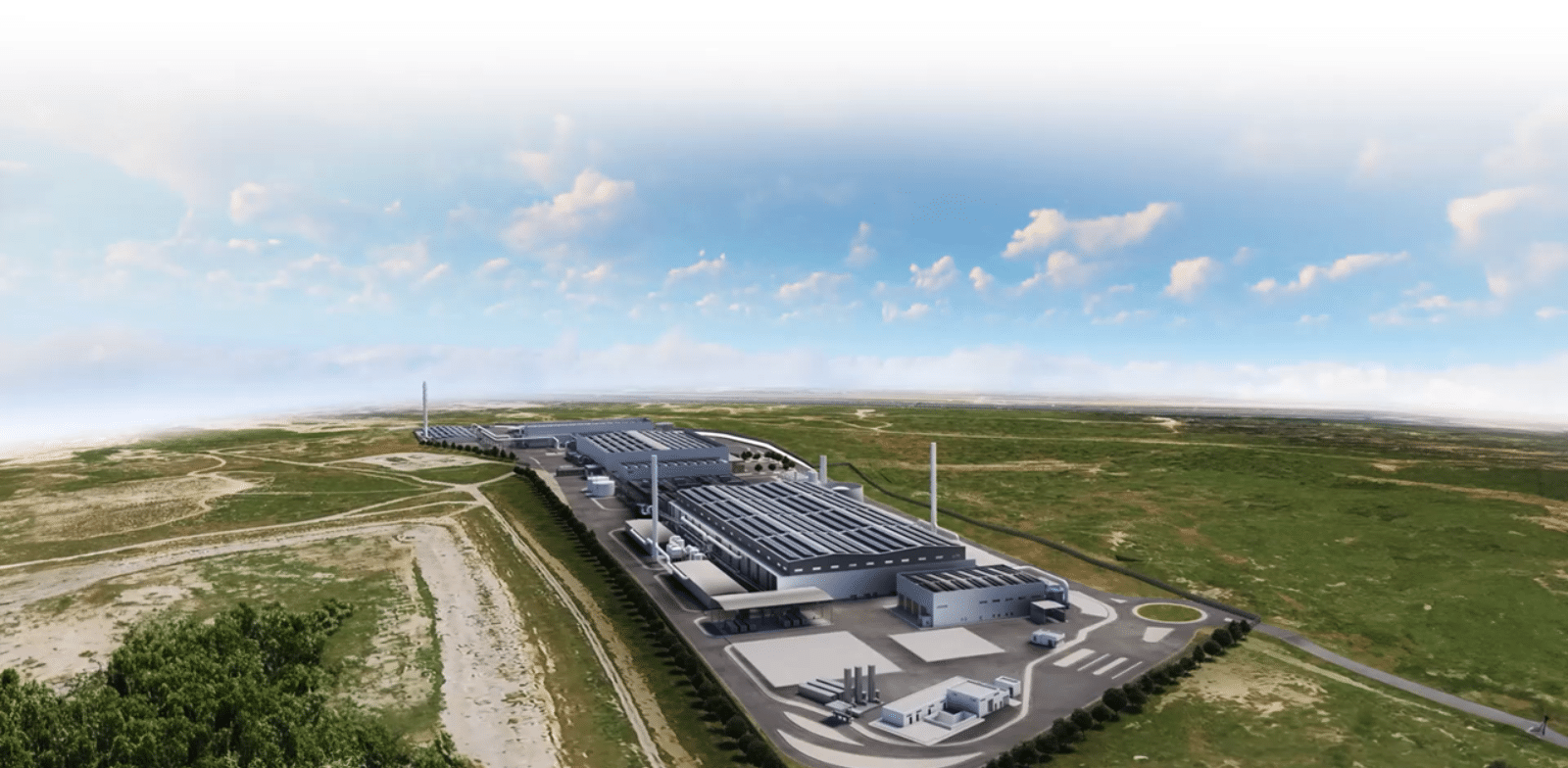
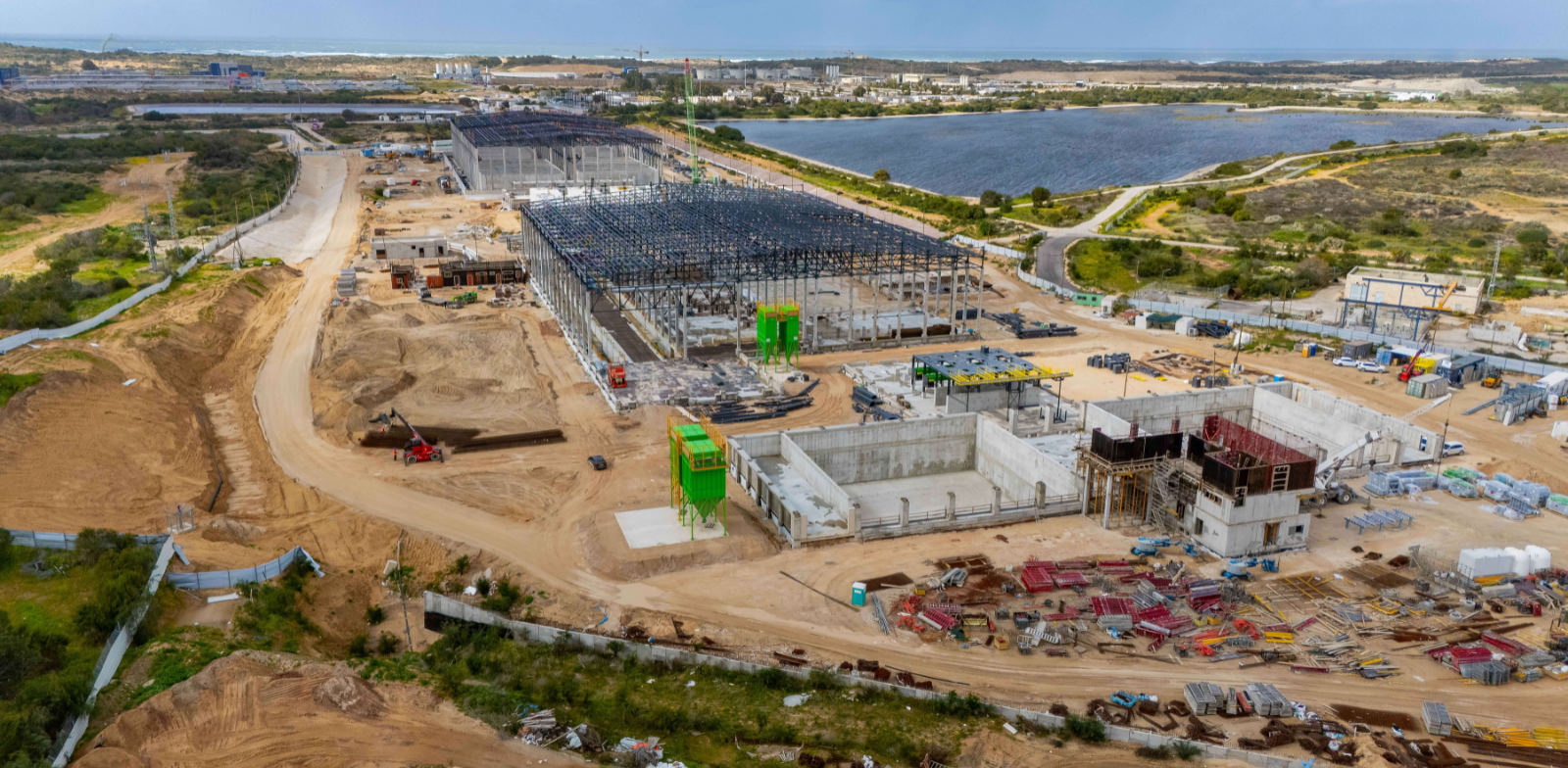
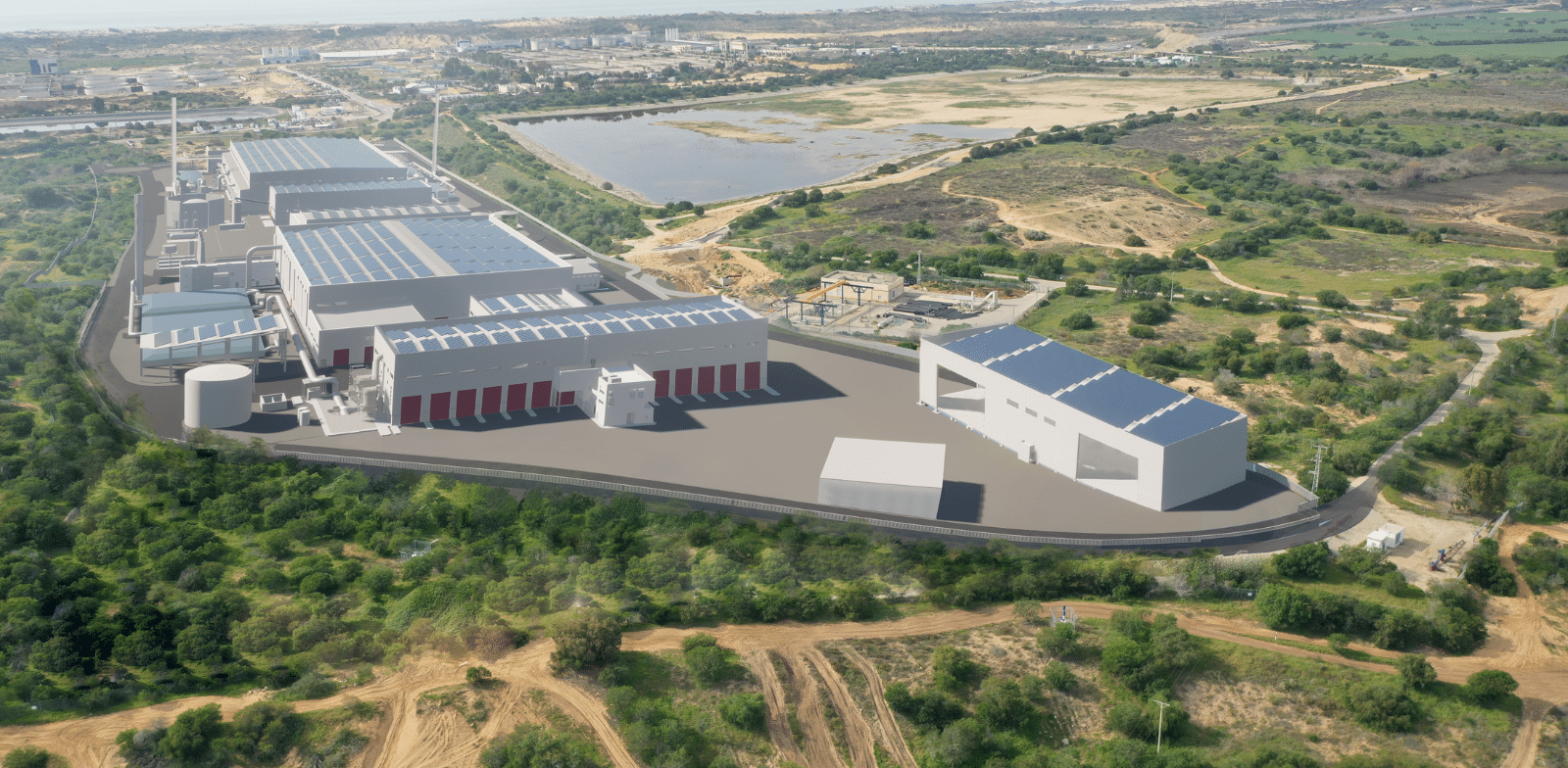
To lead the way toward a better future, Smart Waste, owned by the Shikun & Binui Group and the Blogen Group, is currently building an innovative park near the Shafdan site. It will be the largest and most advanced facility of its kind in Israel, treating over 400,000 tons of municipal waste annually.
Aryeh Zauberman, CEO of Smart Waste, sees the technological park as a true revolution. According to him, the solution will provide local authorities with a readily available, environmentally friendly, and competitive alternative, with costs lower than other market solutions—especially compared to environmentally harmful landfilling.
The park will be a breakthrough in waste management in Israel. We have taken on a challenging mission—to lead an environmental and technological solution at the highest global standard, while maintaining competitive pricing,’ Zauberman said.
What are the problems with landfilling waste?
Landfilling waste is one of the biggest environmental problems, and there are many reasons: it wastes valuable land that is becoming increasingly scarce. In addition, landfill sites cause serious environmental hazards—they pollute groundwater, emit harmful methane gas into the atmosphere, produce foul odors, and attract animals that can spread diseases. Furthermore, landfills are prone to fires that can cause additional air pollution.
The landfill solution is not sustainable: in Israel, unlike other advanced countries, per capita waste production is increasing, in contrast to the trend in the Western world, where waste generation is declining. Moreover, Israel’s population is growing rapidly, and waste volumes are rising accordingly, quickly approaching a point where there will be no more space for landfilling. It is crucial to find alternative solutions that can turn waste from an environmental nuisance into a resource—a product that can be used.
Saving municipalities and improving the environment.
The new technological park will help not only the environment but also significantly ease the burden on the surrounding local authorities. ‘Today, local authorities have the opportunity to be part of the environmental revolution and to lead a significant initiative with us that will save them substantial funds,’ says Zauberman. The park will allow them to reduce the high costs associated with waste collection, transportation, and landfilling. Additionally, it will replace old transfer stations that are an environmental nuisance in various cities, significantly reducing the number of trucks traveling through urban areas to these stations.
From waste to green electricity.
The technological park, to be built near the Shafdan site, will operate advanced sorting technologies that allow for increased recovery of materials for recycling. Unlike other sorting facilities, the park will treat the organic stream (wet waste) using anaerobic digestion, producing biogas for electricity generation and recyclable materials.
‘The planning and construction of the park involved some of the world’s leading companies,’ emphasizes Zauberman. ‘We will operate it as a closed system that benefits the environment, turning waste into a resource—both by generating green electricity and producing materials for recycling and reuse in various industries. In doing so, we are offering a solution to one of Israel’s most severe environmental problems today: waste landfilling.
How does it work?
100% of the waste received at the park is treated after being received at the technological facility. The waste undergoes automatic sorting using advanced, high-level systems to maximize the recovery of materials for reuse. Organic waste is sent to digesters where biogas is produced. The biogas is cleaned of contaminants and used to generate 4.8 megawatts of green electricity fed into the power grid. Residual organic material undergoes a stabilization process, while other sorted residues go through biological drying.
In its initial phase, the park will reduce landfilling from 80% to 40%, and later, in collaboration with local authorities, it could reduce landfilling to as low as 20%. The park operates in enclosed buildings under negative pressure (preventing untreated air from escaping) and is connected to an advanced air treatment system to prevent odors, without burning waste.
The park is an environmental breakthrough. It is part of the solution to a national and local problem, improves environmental quality, and significantly reduces environmental nuisances. The park will operate under strict oversight by authorities and with full transparency to ensure a cleaner and safer environment.